German armoured fighting vehicles of WWII
HOME
ABOUT
MAIN MENU
INRODUCTION
TANKS
TANK DESTROYERS
SELF-PROPELLED GUNS
HALFTRACKS
ARMOURED CARS
ANTI-AIRCRAFT TANKS
FLAMETHROWER TANKS
SPECIAL VEHICLES
ENTWICKLUNGSREIHE
TANK ACES
TANK BATTLES
APRIL FOOLS
DOCUMENTS
MISCELLANEOUS
UPDATES
CONTACT
supplementary information on armoured vehicles and their use
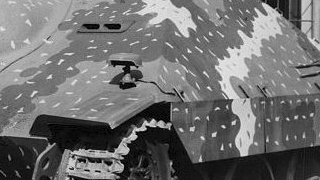
CAMOUFLAGE COLOURS AND PATTERNS
camouflage colours including their RAL numbers
development from World War I through to 1945
from solid grey to the famous ambush pattern
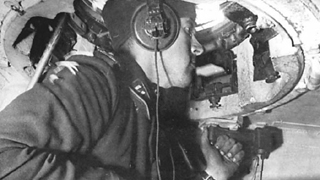
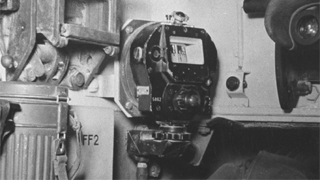
OPTICS AND SIGHTS
primary vision ports and periscopes
various types of sights for guns and machine guns
target range estimation and barrel elevation setting
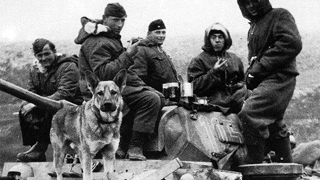
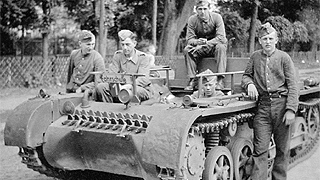
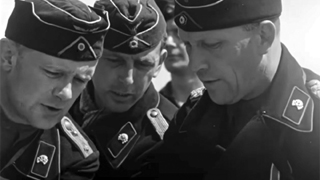
TANK CREWS
composition of German tank crews
the role, position and duties of each crew member
development before and during World War II
TANK CREW TRAINING
from covert preparation to full-scale tank crew training
tank schools, their organisational structure and methods
the expansion of the armoured forces with new divisions
TANKER UNIFORMS
from World War I to the distinctive black uniform
each item of clothing described from head to trousers
winter and summer uniforms, Wehrmacht vs. SS differences
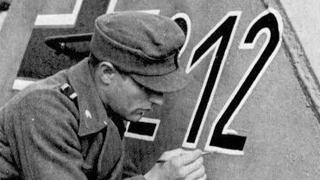
TURRET NUMBERS
national markings, divisional emblems and other insignia
tank turret numbers, their structure and meaning
numbering rules at different levels of command
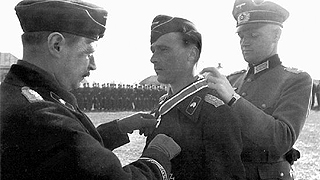
TANKER DECORATIONS
World War I, the Spanish Civil War, World War II
the Panzerkampfabzeichen and many other decorations
but also cuff titles, marksmanship lanyards and more
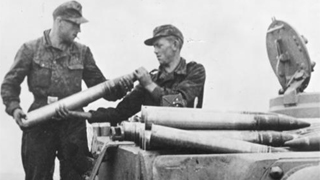
TANK AMMUNITION
artillery ammunition for tank guns and beyond
high-explosive, armour-piercing and shaped-charge rounds
markings on projectiles and cartridge cases explained
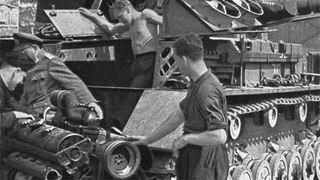
MAINTENANCE AND REPAIRS
maintenance support organisation of tank units
each level of service support and its organisation
repair workshops, recovery sections, spare parts
DIRECTIONAL GYROSCOPE
navigation aid for terrain with no landmarks
detailed description of the instrument and its controls
how to use it correctly and what to avoid
NAMES AND ABBREVIATIONS
nomenclature of German armoured vehicles
the meaning of various abbreviations and ordnance codes
official and unofficial names of fighting vehicles
BAUKOMMANDO BECKER
Major Alfred Becker and his service in the German army
conversions of captured vehicles and their deployment
self-propelled guns, tank destroyers and other AFVs
Sd.Kfz. NUMBER TABLE
special ordnance designation codes
codes organised by vehicle category
code designations of individual vehicle types
ZIMMERIT
paste applied against magnetic hollow charges
circumstances of its introduction, chemical composition and application
from its introduction to its inglorious end
PANZERLIED
the song of the German tank crews
the original German lyrics
and a free English translation
TYPES OF GUNS
the various German artillery weapons
their classification into basic categories
the meaning of their official names and abbreviations
GUN PERFORMANCE
German tank and anti-tank guns
their basic specifications and ammunition used
accuracy and effectiveness against enemy armour
CAMOUFLAGE COLOURS
camouflage colours and patterns
development from WWI through to 1945
from solid grey to the ambush pattern
vision ports and periscopes
sights for tank guns and beyond
target range estimation
composition of tank crews
the role and duties of each crew member
development before and during WWII
covert and official tank crew training
tank schools and their organisation
expansion of the armoured forces
the distinctive black uniform
clothing described from head to trousers
winter and summer, Wehrmacht and SS
Balkenkreuz and divisional insignia
structure and meaning of turret numbers
numbering at different levels of command
Panzerkampfabzeichen of all grades
the individual tank destruction badge
cuff titles, marksmanship lanyards etc.
ammunition for tank guns and beyond
HE, armour-piercing and HEAT rounds
markings on projectiles and cartridges
maintenance support of tank units
organisation of each level of support
recovery, repairs, spare parts logistics
navigation aid for tank crews
detailed description of the instrument
and how to operate it correctly
nomenclature of German AFVs
the meaning of abbreviations and codes
official and unofficial names
Major Alfred Becker and his life
conversions of captured vehicles
and their subsequent combat deployment
organised by vehicle category
designations of individual vehicle types
paste against magnetic hollow charges
origins and chemical composition
how it was applied and its inglorious end
German artillery weapons
classification into basic categories
meaning of official names and abbreviations
tank and anti-tank guns
basic specifications and accuracy
performance of individual ammo types
QUICKNAVIGATION:
Reproducing text from the Panzernet website without the written consent of the operator is prohibited.